NEW YORK — Two were getting ready for church. Another was on vacation, just waking up. A fourth munched on breakfast while waiting for friends to take him to a beach party.
Then they got word: The Japanese had struck Pearl Harbor in a sneak attack, triggering America’s involvement in World War II. That “Day of Infamy” — Dec. 7, 1941 — became known as the most dramatic and monumental of the last century in America, one that singularly changed the course of history.
Now it shares that classification with Sept. 11, 2001, a fact not lost in the memories of the surviving veterans.
Daniel S. Fruchter, an Army corporal in 1941, said the first thing that sprang to mind Sept. 11 was the catchphrase that spread after the Japanese struck: “Remember Pearl Harbor — Keep America Alert.”
“A widow of a Pearl Harbor survivor called on the 11th and said, ‘It’s happening again,’” said Fruchter, 83, now state chairman of the New York Pearl Harbor Survivors Association. “I thought that, too: ‘Here we go again.’ I was mad at our own lack of alertness and our lack of knowing what’s going on in the world around us.”
Sixty years ago Friday, Fruchter was eating what he thought was his last breakfast as a soldier. He was scheduled to leave Hawaii the next day, and was thinking about his plans for a seaside celebration that afternoon.
“I never went to that beach party,” he said. “Life changed.”
Fruchter stayed, of course, and with his colleagues set to work preparing for war. “I didn’t feel,” he remembered. “We were just doing our jobs. We were busy.”
Fruchter and an Army buddy didn’t get their first look at the devastation until midnight. Only then did they begin to understand the gravity of what had happened.
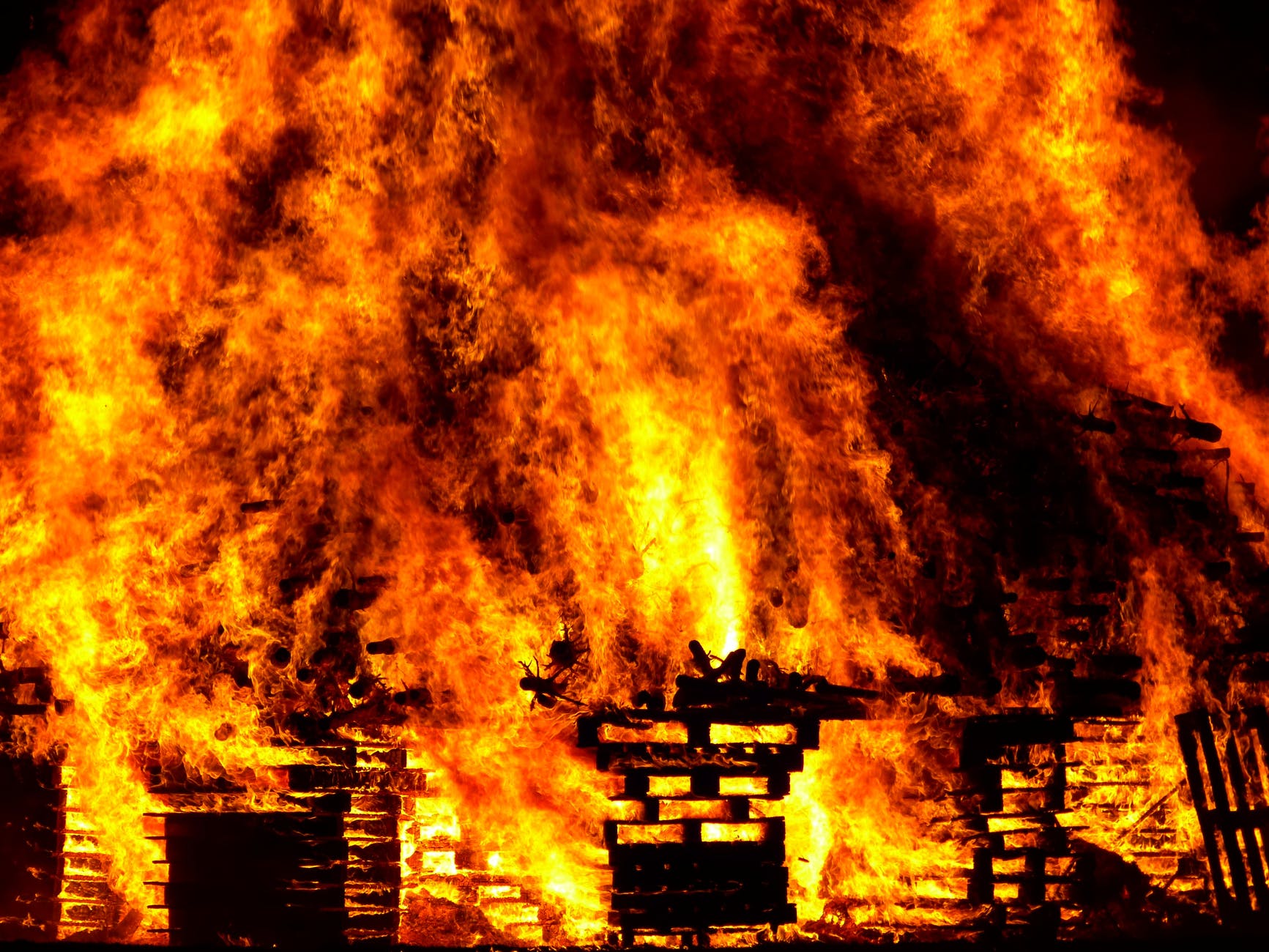
“For the first time, we could actually see the damage,” he said. “That night, standing on top of the crater overlooking Honolulu and all of Pearl Harbor, we saw the fleet burning.”
The “Keep America Alert” message also flashed through the mind of Navy vet Bernard “Bing” Walenter, now 81, after Sept. 11.
“If everyone would start remembering Pearl Harbor, maybe we could stop a few of these surprise attacks,” said the former machinist striker and current state chair of California’s Pearl Harbor Survivors. “Here it’s still happening, after all this time.”
Walenter was working in the machine shop of the USS Medusa when the Japanese attacked.
“It’s hard to say what it felt like at the time. I was confused. I couldn’t believe what was happening,” he said. Walenter spent Dec. 7 of 1941 refilling one of the vessel’s guns with powder — though they never fired a shot that day.
Across the island of Oahu, George L. Murray, then an off-duty, vacationing staff sergeant in the Army’s Chemical Corps, was just waking up when he heard the news.
“The shock scared the hell out of us,” said Murray, 83, who chairs the Alabama chapter of Pearl Harbor Survivors. “We were stunned. It was an unexpected war.”
Like Fruchter, Murray was reminded of Pearl Harbor on the morning of Sept 11.
“It was similar in that it was a surprise attack,” he said. “That stunned us again. You sit down and watch TV and can’t believe something like that was happening. One surprise attack in your lifetime is enough.”
But not everyone who lived through both events sees a link between them.
“I felt a lot of anger on Sept. 11, but I didn’t associate it with the attack on Pearl Harbor,” said Julius Finnern, 82, of Wisconsin, a national secretary for Pearl Harbor Survivors. “Other than the fact that both were sneak attacks, I found very little comparison.”
Unlike the vast majority of Americans who were blindsided by the attacks of Sept. 11, some vets said they weren’t completely shocked when Pearl Harbor was hit.
“We were pretty well-adjusted to the idea that we were at war with the Japanese,” said Francesco Costagliola, then a Naval ensign on the USS Phoenix cruiser. “It wasn’t that much out of the realm of reality … It was just the first day of a long, hard war.”
As they do each year, these and scores of other Pearl Harbor veterans will observe Friday’s annivesary of the attack. Some will travel to Hawaii, while others will attend local memorial events.
And how will survivors react to this year’s anniversary, the first since September’s disaster?
“After all these years, I don’t expect I’ll feel any different as I have in the past,” Murray said. “I’m angry about it, but you have to get over it. The world keeps turning, and you have to turn with it.”
After all, for Pearl Harbor survivors and other World War II veterans, Dec. 7 has been fraught with emotion every year since 1941.
“I get real weepy-eyed,” Finnern said. “But I am proud. You’d better believe I am.”