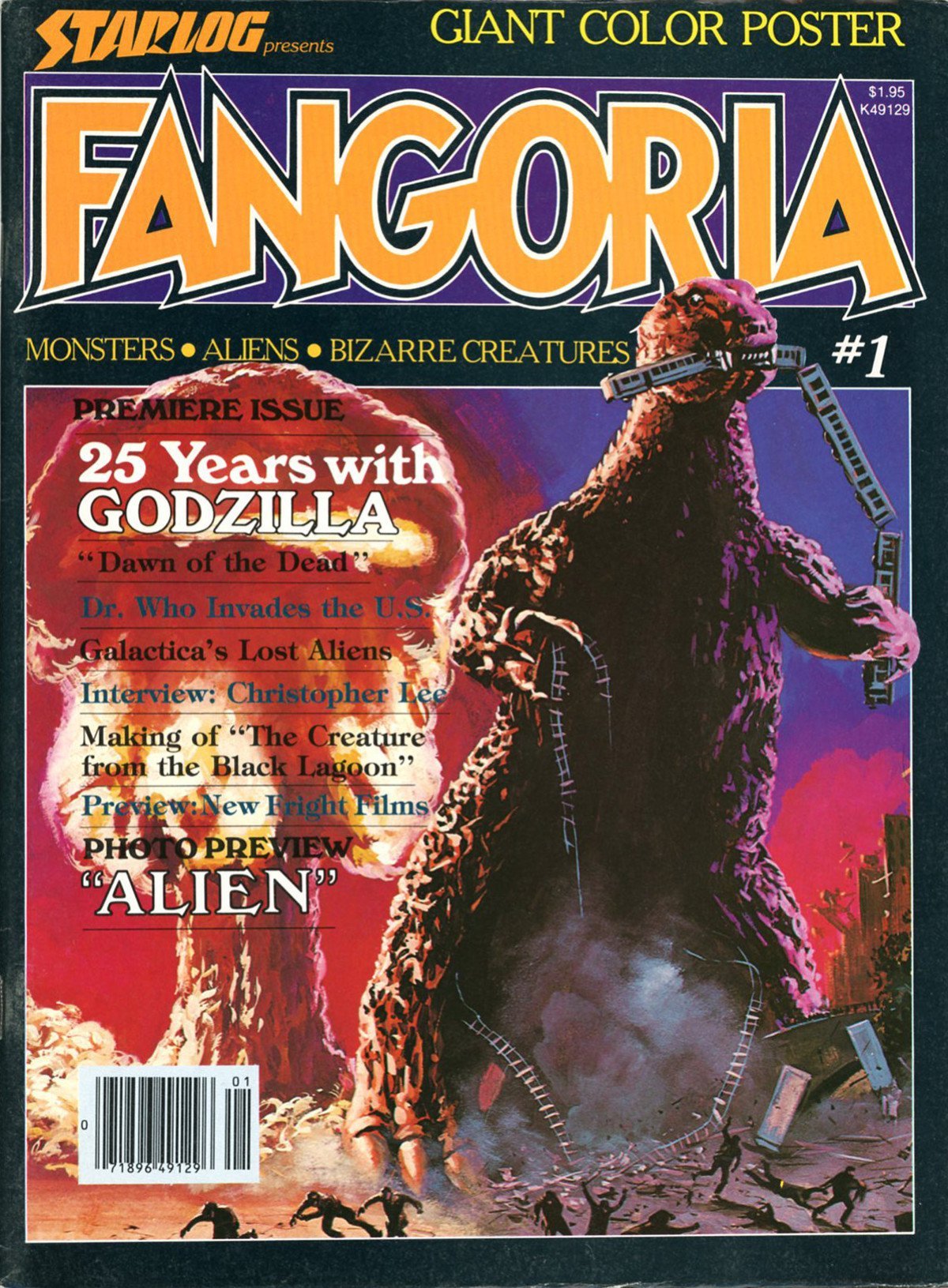
Fangoria magazine is one of the preeminent horror publications and has been for so many years. It’s been the official record of horror movies, television, and pop culture for decades..
And by the way, we get no profit from this and have no motive for posting it beyond genuine appreciation for the magazine itself and what it has contributed to this corner of the entertainment world over the years.
But it goes beyond Fangoria. We need to preserve more. Too many things get lost in the shuffle of online pop-culture representation, and we move so fast that the permanent record of what once was seems to vanish within seconds. Links go dead. Facts become blurry. Sources we once found are suddenly impossible to locate again.
That’s what makes this Kickstarter—and others like it—so important. It preserves something that mattered, and it keeps that meaning alive long beyond our own existence on this earthly plane. So good luck to everyone involved. It’s a great idea, and everyone should be thrilled with the result if it all works out.
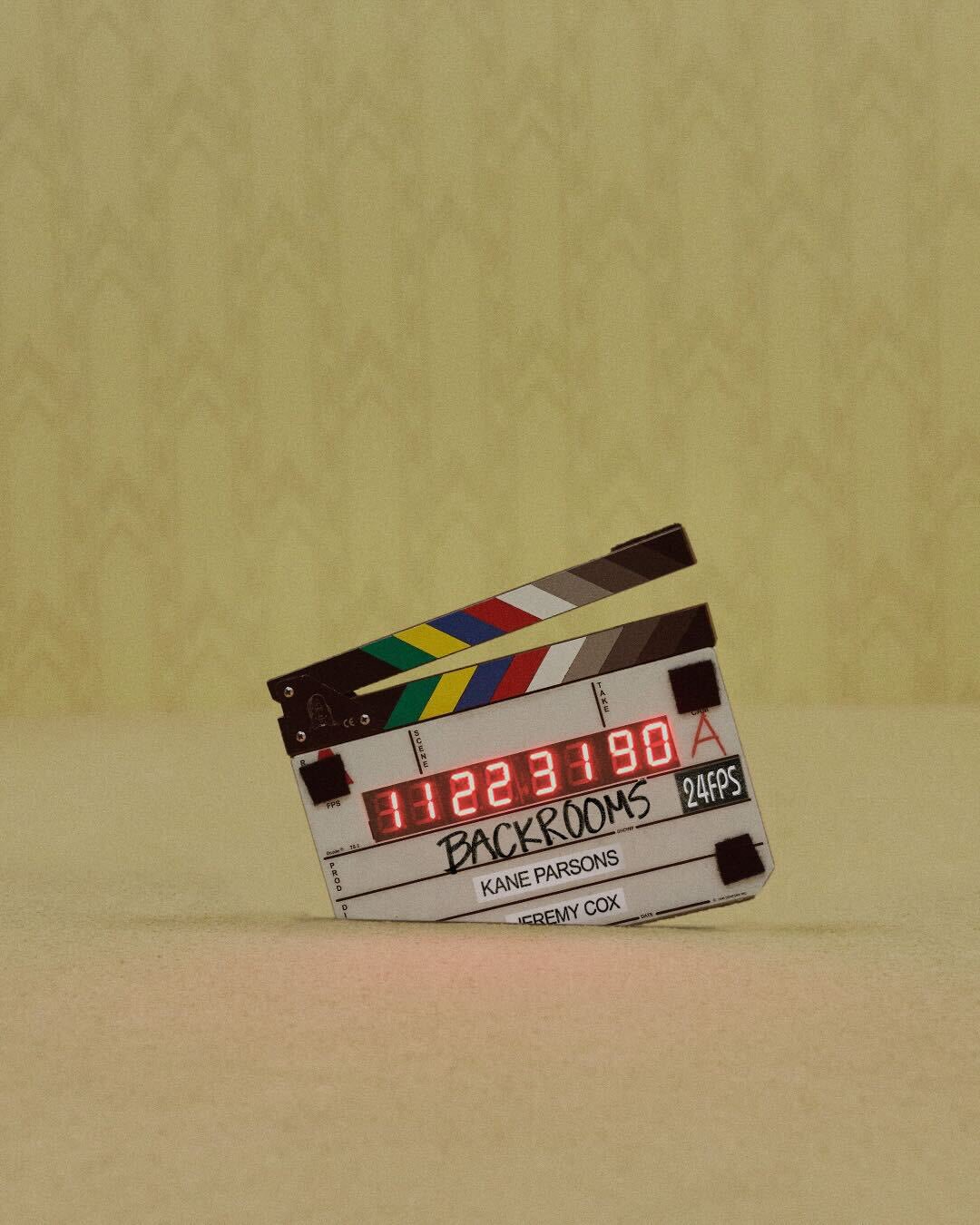
We’re really excited about the upcoming Backrooms movie, currently set for a 2026 release, even though we still don’t know too much about its development beyond the creative team involved.
20-year-old director Kane Parsons is helming one of the most anticipated analog-horror adaptations ever — has announced that work on the Director’s Cut is officially complete. That doesn’t mean the Final Cut is anywhere near done, but it’s another step toward that 2026 release window.
The Backrooms has always been something mundane and frightening at the same time, and that’s the magic of it. Honestly, I love the Backrooms so much that I’ve even fallen asleep to those endless looping YouTube videos of yellow hallways humming in the background. I know I’m not alone — a lot of us have had moments in life where a strange hallway or empty office building at night made us feel like we accidentally “noclipped” into level 0 ourselves.
If the movie captures that eerie mix of nostalgia, dread, and liminal weirdness, the concept alone is strong enough to make this a huge success. We’re hoping for a lot here.
In the meantime, I want to direct your attention to a TikTok creator named tater tot.
Whoever they are, they’ve been doing God’s work: creating Backrooms videos using AI, trapping all sorts of figures — especially Ronald Reagan — deep inside the maze. And quite frankly, a full movie of Ronald Reagan wandering the Backrooms, confused and doomed, would absolutely work for me.
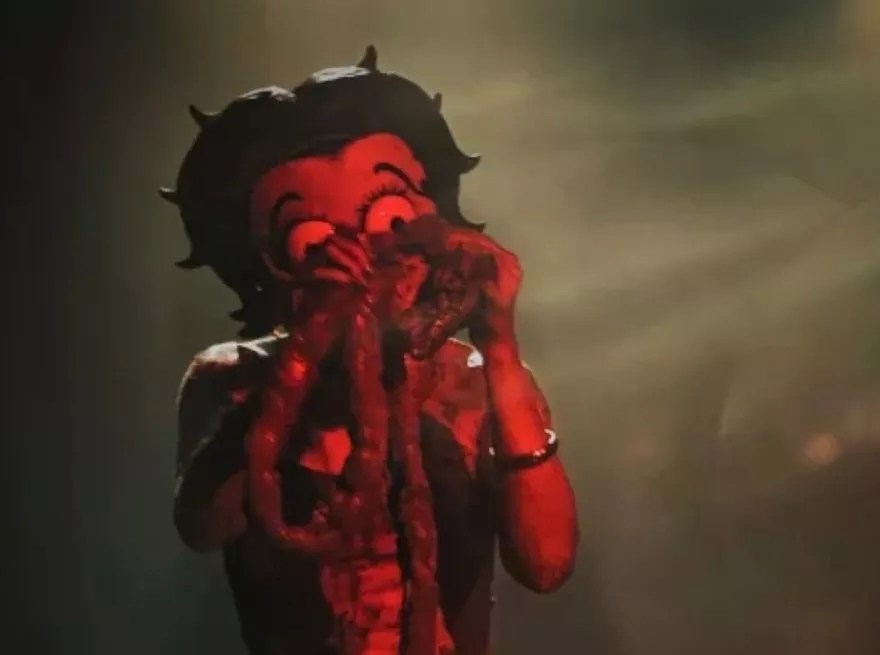
Popeye, Mickey Mouse, and Winnie the Pooh aren’t alone anymore—now they’re being joined by a bloodthirsty, horrific Betty Boop.
More copyright licenses hit expiration, and Hollywood is wasting no time jumping on the trend.
Furst Class Productions is moving ahead with a new horror take on the curly-haired icon, turning her into a full-blown villain.
The story follows a group of horror podcasters who sneak into an abandoned theater, only to discover the legendary starlet herself—Boop—still lingering in the shadows and now very thirsty for blood.
Betty Boop will be played by Devanny Pinn, with Katisha Shaw, Spencer Breslin, Colton Tran, and Eva Hamilton rounding out the cast.
There’s going to be a lot of opinions on this one, especially from people who already feel like these horror remakes are the “degradation” of everything once meant for kids.
And sure—maybe there’s some truth to that. But horror fans seem to love these approaches, and a lot of these public-domain reimaginings are becoming low-budget, surprisingly profitable cult favorites.
Movies like this aren’t trying to win Oscars; they’re capitalizing on a moment in time when a famous character becomes available and blood and gore suddenly reign supreme
One of the better movies this year in the horror world has been Weapons. We’ve talked about it a number of times and there has been some debate on whether it lived up to the hype or if expectations were just too high to begin with. But all that aside, the opening sequence of Weapons sticks in your head. Kids running through neighborhood streets, the suburban landscape turning ominous, the way the tension creeps up before you realize why you’re uncomfortable.
As a matter of fact, I was at a football game last week — one of the final ones of the season — and some of the students in front of me were laughing about how the players looked like the kids from Weapons and how it was the greatest movie they’ve ever seen. They’re young. They still have the entire library of 70s and 80s horror history to experience. So we forgive them for the cardinal sin for now.
But the movie was pretty good, and that opening scene was genuinely memorable. And one of the strongest reasons why the opening hits so hard is the song choice. The George Harrison track that plays over the scene isn’t just background noise — it sets the emotional temperature. It elevates it. It whispers something the dialogue doesn’t say.
And here’s the thing: there’s a lot going on behind that George Harrison song that most people don’t know.
Beware of Darkness – What the Song Is Actually Saying
George Harrison’s “Beware of Darkness” isn’t literally about “evil” or some boogeyman in the woods. He was drawing from Hindu and Eastern spirituality, particularly the concept of Māyā — the illusion of the material world that distracts the soul.
When Harrison sings:
“Beware of the Maya”
He doesn’t mean a person. He means the force that tricks you into forgetting who you really are.
The song is layered with meaning:
Beware of the world’s negativity. People will try to use you. Leaders will mislead. Culture will exhaust you.
Beware of your own sadness. Not in the sense of denying it — but in not letting it swallow you whole.
“It can hit you, it can hurt you Make you sore and what is more That is not what you are here for.”
You are not meant to live permanently in despair.
Beware of forgetting the spirit. Māyā — illusion — convinces us that status, approval, and fear are reality. Harrison’s message is simply:
Don’t lose your inner light. Don’t let the world make you forget yourself.
Movies know how to use music when they’re paying attention. Weapons did.
That song wasn’t just a soundtrack choice — it was the thesis. A warning delivered before the audience knows what’s about to happen.
And now, as we move deeper into the darker stretch of the year — colder mornings, longer nights, that creeping seasonal weight that settles in the chest — maybe the timing is fitting.
Maybe it’s a reminder:
Beware of the darkness. Beware of the sadness. Beware of the soft-shoe shufflers. And yes — beware of Māyā.
Because sometimes horror isn’t on the screen. Sometimes it’s just life trying to make you forget who you are.
If you’d like, I can also: ✅ Add an image header ✅ Create a social caption ✅ Generate a tagline/teaser for Facebook or Threads
Halloween is over. The Spirit Halloween stores are packing up, lights going off, signs disappearing, and those empty retail shells will sit silent again… at least until next August when they reawaken like they always do.
But — you might notice something different this year. A few of those locations aren’t going dark. They’re turning into Spirit Christmas. And honestly? That’s kind of amazing.
We’re completely on board with Spirit Halloween existing. It has become a tradition. A yearly pilgrimage. A seasonal personality trait. And if Spirit Christmas wants to step into the game and bring some of that same energy into December, we welcome it. Why not? Let weirdness continue all year long.
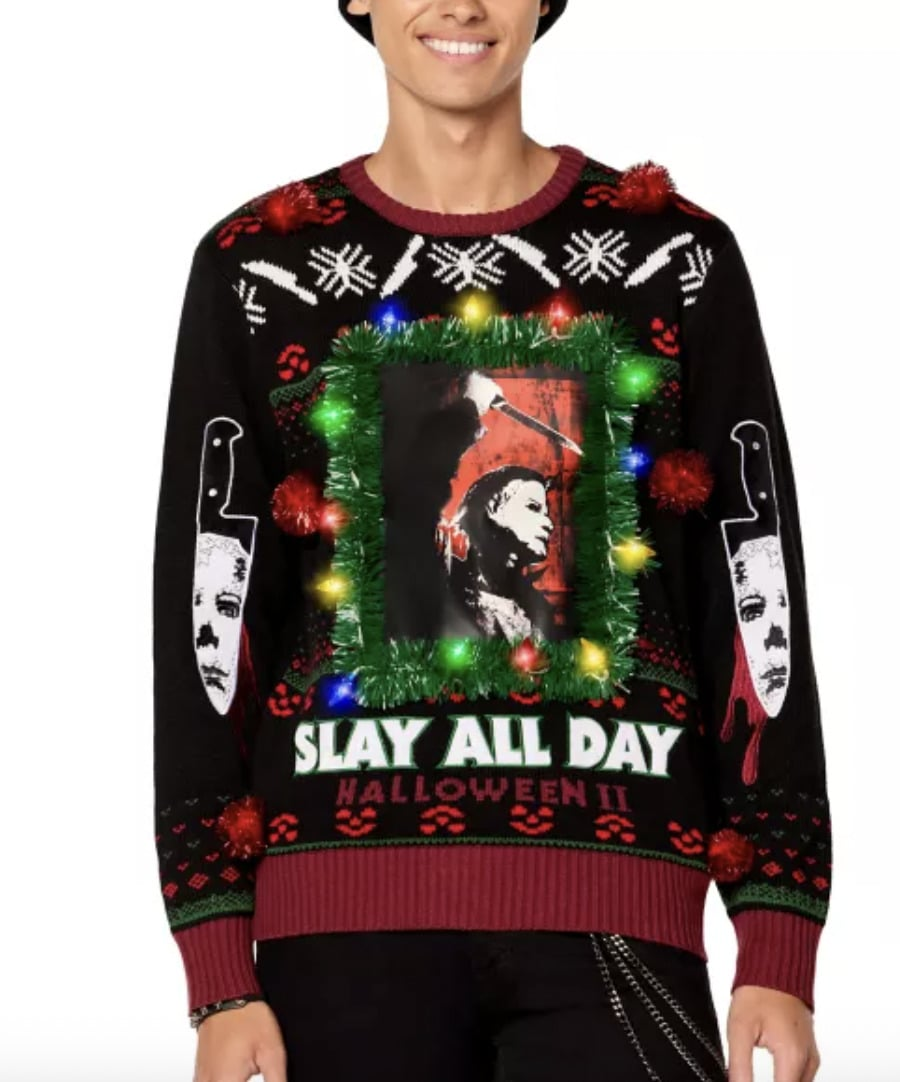
We love horror. We love creepy. We love a little darkness mixed into the tinsel and eggnog. But Art the Clown is… let’s just say… a strong choice for holiday cheer. There are plenty of horror icons that blend nicely with Christmas themes — Krampus, Black Christmas, Gremlins, Jack Skellington — but a child-murdering clown who blows up shopping malls might be a bit of a leap for the family fireplace mantel. But hey — to each their own. If you want to deck the halls with decapitation, no one is stopping you.
The reality is that Spirit Christmas will not be nearly as widespread as Spirit Halloween — at least not yet. It’s more of a test run. Only select stores. Only certain markets. But if people show up, if the ugly sweaters sell, if the creepy ornaments fly off shelves… expect this to grow.
And honestly, we’ve always had a soft spot for keeping a little creepy in Christmas. There’s something fun about breaking the overly-sanitized Hallmark version of the holiday and letting the weird spirits in.
So we say:
The more the merrier. Deck the halls. Light your balls. Wear your Terrifier sweater if you dare. Let Christmas get a little strange.
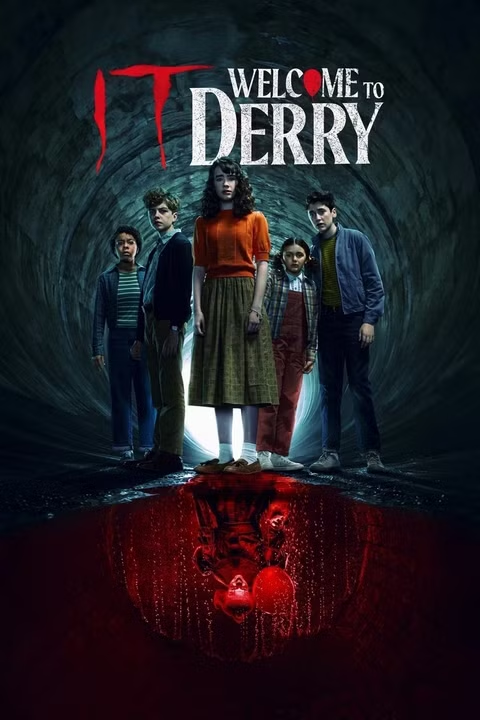
We’ve been watching, and this is absolutely not just a sci-fi nostalgia trip. It’s heavier. More sinister. It leans way harder into horror than Stranger Things ever did.
It’s set in 1962 and follows the twisted early events that open the door to the version of Derry, Maine, we all know… the one haunted by Pennywise the Dancing Clown. And yes — Bill Skarsgård is back, fully locked in, bringing the same chilling energy that made the movies so memorable.
Collider points out that the show goes further into horror than Stranger Things does, and they’re right.
But what we don’t love is when headlines try to frame it as though the two are the same thing. Just because a story has kids in danger doesn’t automatically make it Stranger Things. If anything, you can argue the influence goes the other direction — It existed long before Hawkins, Indiana, bikes, walkie-talkies, and The Upside Down. The Duffer Brothers have openly borrowed (lovingly) from 1980s pop culture, which itself was shaped by King. So the lineage is clear.
It sometimes feels like we can’t just enjoy entertainment anymore without everything being compared, ranked, and stacked in lists.
Why can’t a show be allowed to stand on its own without being “the next” anything?
So here’s where we land: We appreciate Stranger Things. We appreciate Welcome to Derry. They are both completely different experiences — and that’s the point.
We’ll enjoy Welcome to Derry now. And when Stranger Things arrives in a few weeks, we’ll enjoy that too.
But let’s be honest — the reason a lot of us are here is Bill Skarsgård’s Pennywise. He was phenomenal in the films, and he’s already proving he’s going to bring something equally unsettling, memorable, and terrifying to this series.
Just let good storytelling be good storytelling. No comparisons needed.
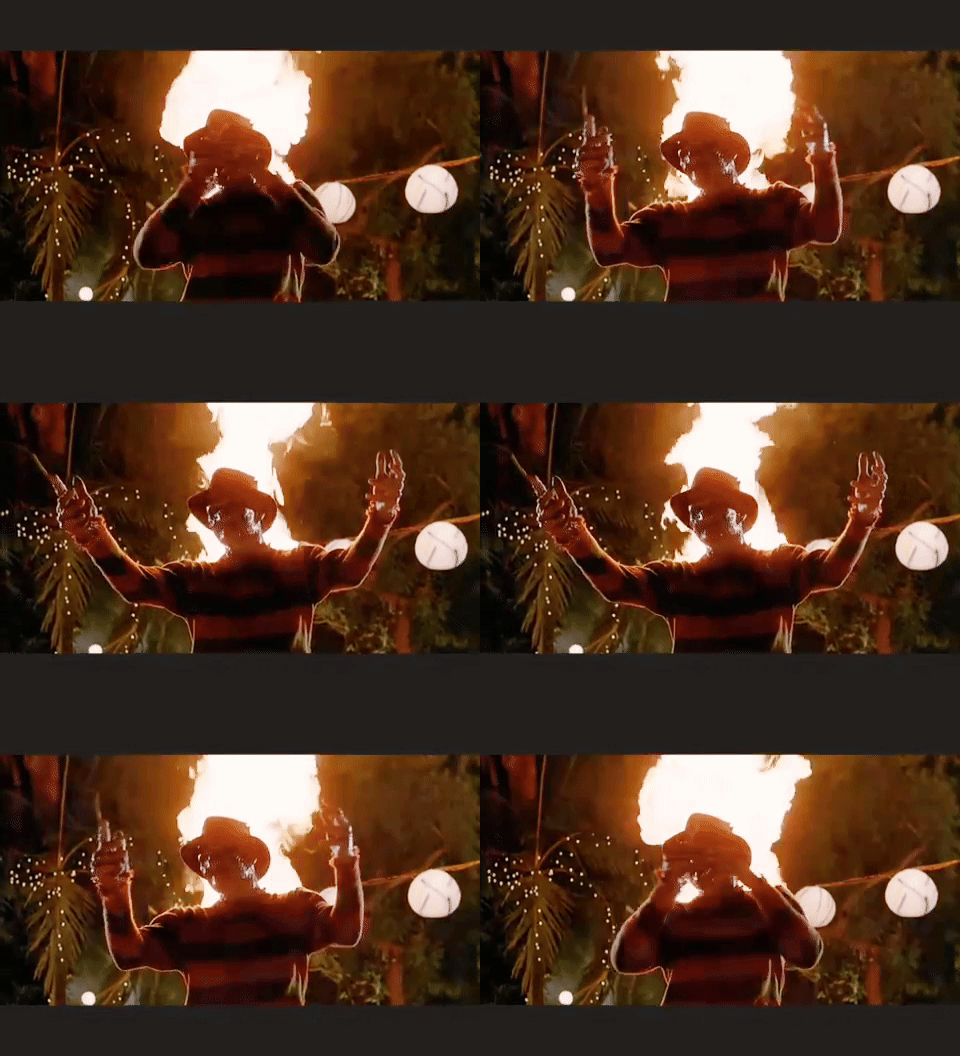
November 1st 1985, on a budget of $3 million, Freddy’s Revenge grossed $30 million.
Some people love this movie, some people hate it — but it’s now been 40 years since A Nightmare on Elm Street 2: Freddy’s Revenge hit theaters. Over the decades, detractors have always said it doesn’t “fit” the storyline of the original. Meanwhile, others have celebrated it, especially for its place in horror history and the way it unintentionally (or maybe intentionally) introduced the idea of the male scream queen.
For years, many in the LGBTQ community recognized and embraced the movie’s underlying themes .. a hidden subtext that wasn’t widely discussed back then, but is now openly talked about and appreciated today. It’s become a cult conversation piece because of that. And a male scream queen!
But one thing is absolutely certain: The makeup and visual effects in this film were some of the best in the entire series. Freddy’s face is incredible. The school bus scene is iconic. And Jesse’s transformation into Freddy remains one of the most memorable sequences in the franchise… disturbing, surreal, and unforgettable.
Forty years later, I still celebrate this film. In my opinion, it’s one of the better entries in the series. And without question — it has one of the greatest VHS cover arts of all time.
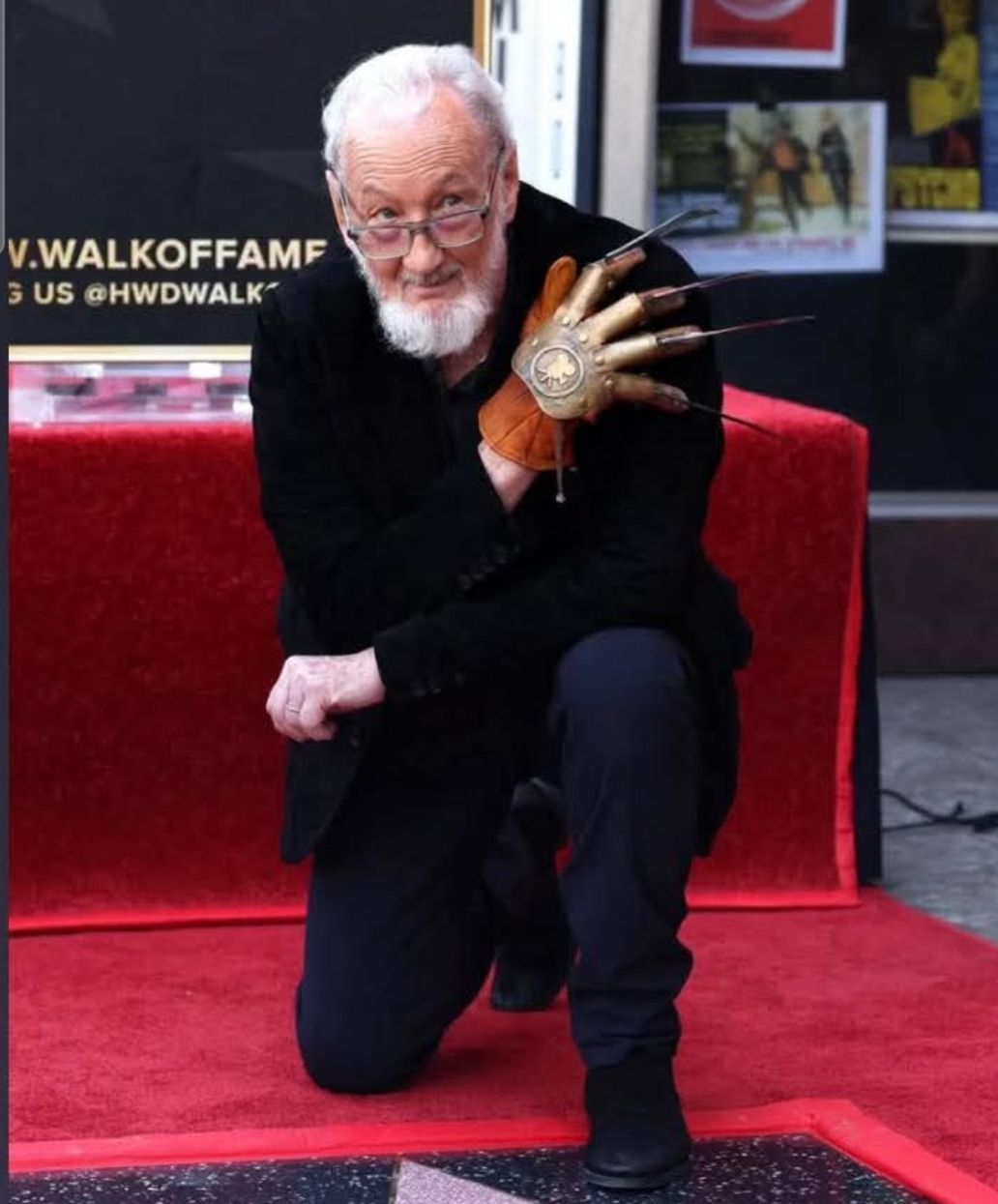
“A Nightmare on Elm Street” star, Robert Englund, was honored with his Hollywood star, appropriately on this Halloween Friday.
The 78-year-old theatrically trained actor may be best known for his menacing portrayal of Freddy Krueger, but he has also appeared in over 80 films, multiple television series, and countless guest star roles.
“I love the smell of peanut butter cups in the morning, Happy Halloween,” Englund said to the crowd gathered at the Hollywood Walk of Fame ceremony.
Apparently they are despite the fact that we’ve never seen the movies they tell us to..
If Ryan Coogler’s Sinners or Guillermo del Toro’s Frankenstein make the cut this year, it’ll mark the first time in the Academy Awards’ 97-year history that a horror film has been nominated in consecutive contests.
And honestly—maybe that’s one of the main reasons people have stopped caring about the Oscars.
Sure, we’ll talk about who wins, we’ll share the highlights, we’ll glance at the “Best Picture” list. But let’s be real—most people haven’t even seen these movies. A lot of them are the kind of films critics love and audiences sleep through. Pretentious, overly symbolic, and sometimes just flat-out unwatchable.
Meanwhile, the movies that actually get people talking? They’re the ones with life, adrenaline, and imagination. The action blockbusters of summer. The horror movies that get under your skin.
Take The Black Phone 2 — we just reviewed it, and it was epic. Masterfully done, deeply unsettling, and emotionally sharp. Even Weapons — which wasn’t our pick for the best of the year — had a cinematic energy that felt alive. And yes, Sinners was powerful too. It brought real weight to the horror genre this year.
But that’s the thing: horror has been delivering for decades, and the Academy just refuses to acknowledge it. From Hereditary to The Conjuring, from Get Out to The Black Phone, horror consistently gives us stories that are bold, imaginative, and yes—crowd favorites.
Yet when award season rolls around, horror is treated like the weird cousin who showed up uninvited.
So, if Sinners or Frankenstein manage to claw their way into the Best Picture category, kudos to the Academy for finally giving the genre a little respect.
But don’t hold your breath for the next one. History tells us it might be a long, dark wait before the Oscars dare to honor horror again.
“The Oscars claim to celebrate cinema. But when’s the last time they celebrated fear?”
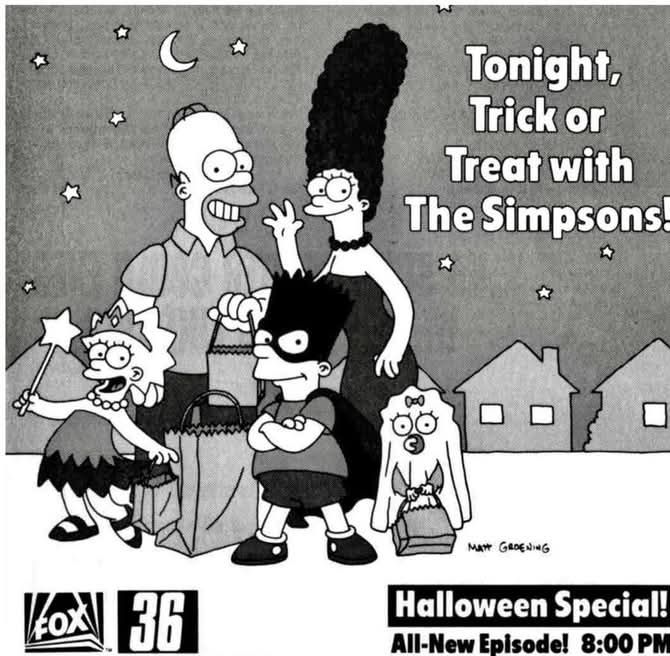
October 25 1990: the day spooky Springfield history was made. The very first Treehouse of Horror episode of The Simpsons aired on FOX. Back then it was simply called The Simpsons Halloween Special .. and it kicked off what would become one of the most beloved Halloween traditions on TV.
The episode pulled inspiration straight out of those eerie 1950s horror comics, and even began with a tongue-in-cheek disclaimer warning that it “might be too scary for children.” It also had that classic opening pan through a cemetery filled with funny tombstones .. it was a joke that became iconic before eventually disappearing in later years.
The stories themselves were told by Bart, Lisa, and Maggie in the family’s treehouse: three twisted tales that set the tone for decades to come. First, a haunted house riffing on The Amityville Horror and Poltergeist. Then came the debut of Kang and Kodos, those slimy alien siblings who abduct the Simpsons in a darkly comic “To Serve Man” parody. Finally, the show closed with one of the greatest Simpsons segments ever made, a dramatic retelling of Edgar Allan Poe’s “The Raven,” featuring the voice of the legendary James Earl Jones.
And just like that, a tradition was born. Now, all of Treehouse of Horror episodes later, it’s impossible to imagine Halloween without them. They hace become as much as tradition as anything else ..
What’s funny is how something meant to parody horror has now become its own kind of prophecy because every year it feels like The Simpsons somehow predicts the future. From political moments to pop culture events, people keep pointing back to old episodes saying, “See? They knew!” Maybe it’s coincidence. Maybe it’s satire gone psychic. Either way, that first Halloween special started something that’s still giving us chills — and predictions — 35 years later.