Something strange is happening in Philadelphia right now—a real-life social experiment unfolding in real time, and it’s not one the city signed up for. The so-called “City of Brotherly Love” is quickly becoming the City of Utter Garbage.
Sanitation workers—members of District Council 33—have gone on strike. So have workers from the Water Department. Even 911 operators briefly joined the picket line before court orders forced some of them back to work. But the most visible—and pungent—impact is coming from the absence of sanitation services.
The union’s grievances are real: they say wages haven’t kept up with inflation, cost-of-living increases have been ignored, and the value of their essential work has gone long unrecognized. And now, Philadelphia is about to learn just how valuable these workers are.
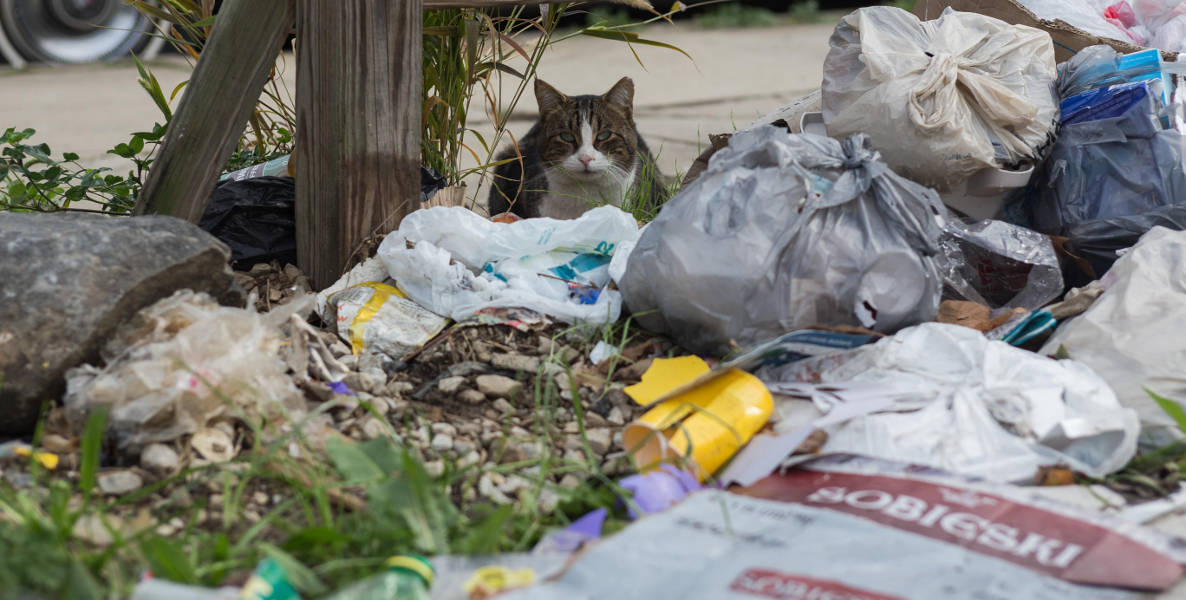
Garbage is already piling up on street corners on day one of the strike. Giant dumpsters set up by the city—meant to act as temporary collection points—were filled by the end of the first day. Overflowing trash is now stacking beside them, baking in the 90-degree heat.
Mayor Cherelle Parker urged residents to drive their garbage to one of these dozens of authorized sites. But that suggestion is tone-deaf at best. Nearly 480,000 Philadelphians don’t own a vehicle. So unless you plan to walk your garbage in the summer heat through a city already buckling under stress, you’re out of luck.
What we’re witnessing isn’t just a labor dispute—it’s a test of urban resilience. How long can a modern American city function without basic sanitation? At what point does trash become not just an inconvenience but a public health crisis? And what happens to the social fabric when the very people who keep the system running say, “Enough”?
Meanwhile, Mayor Parker and other city officials have accused some individuals of deliberately opening fire hydrants to sabotage water pressure—another alarming sign of social tension in the midst of this strike.
One thing is clear: this is going to get worse before it gets better.
District Council 33 has reached its breaking point. The bigger question now is: How long until the entire city of Philadelphia does too? Until then, garbage will keep rising—along with the stakes.